
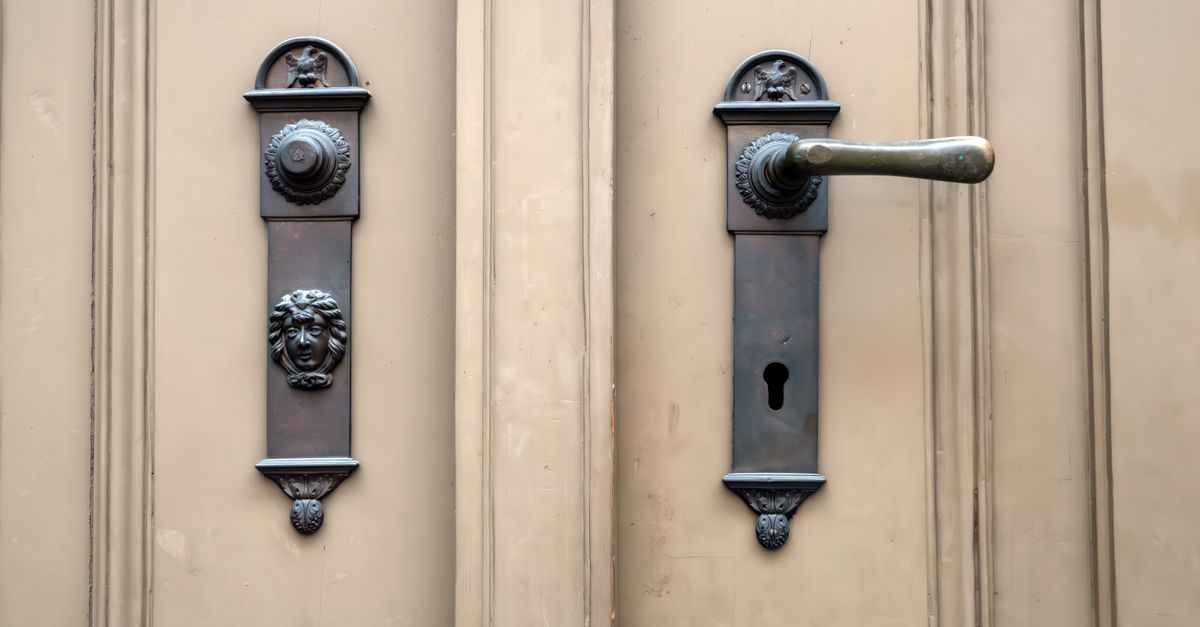
What Is a Mortise Lock and Why Does It Matter for Commercial Doors
A mortise lock is a complete locking assembly installed inside a rectangular cavity — the mortise pocket — machined into the door stile. The body of the lock contains the latchbolt, deadbolt, and the internal cam and lever mechanism, while the trim (lever handles, escutcheon plates, and thumb turns) attaches externally. This architecture makes the hardware far more robust than a bored cylindrical lockset because the door's structural wood or metal surrounds the entire mechanism rather than leaving it exposed. For high-traffic commercial environments — think a busy medical office seeing dozens of patients daily, or a retail location along State Road 64 that opens and closes multiple times every hour — that structural integration dramatically extends service life and reduces the frequency of emergency repairs.
There is also meaningful variety within the mortise lock category. Standard mechanical mortise lock sets are the most common, but electric mortise lock systems incorporate a motorized or solenoid-driven bolt that can be tied into access-control readers, keypads, or building-management software — ideal for businesses that need to log entry events or restrict access to specific hours. Smart mortise lock configurations take that a step further, enabling remote locking and unlocking via a network connection. A sliding door mortise lock is a narrower-profile variant designed for glass storefront sliders and aluminum-frame doors that don't have the stile depth of a standard commercial door. Our team works across all these configurations, matching the right hardware to your door type, traffic level, and security requirements.